Torticollis and Plagiocephaly in Babies: What Austin Parents Need to Know
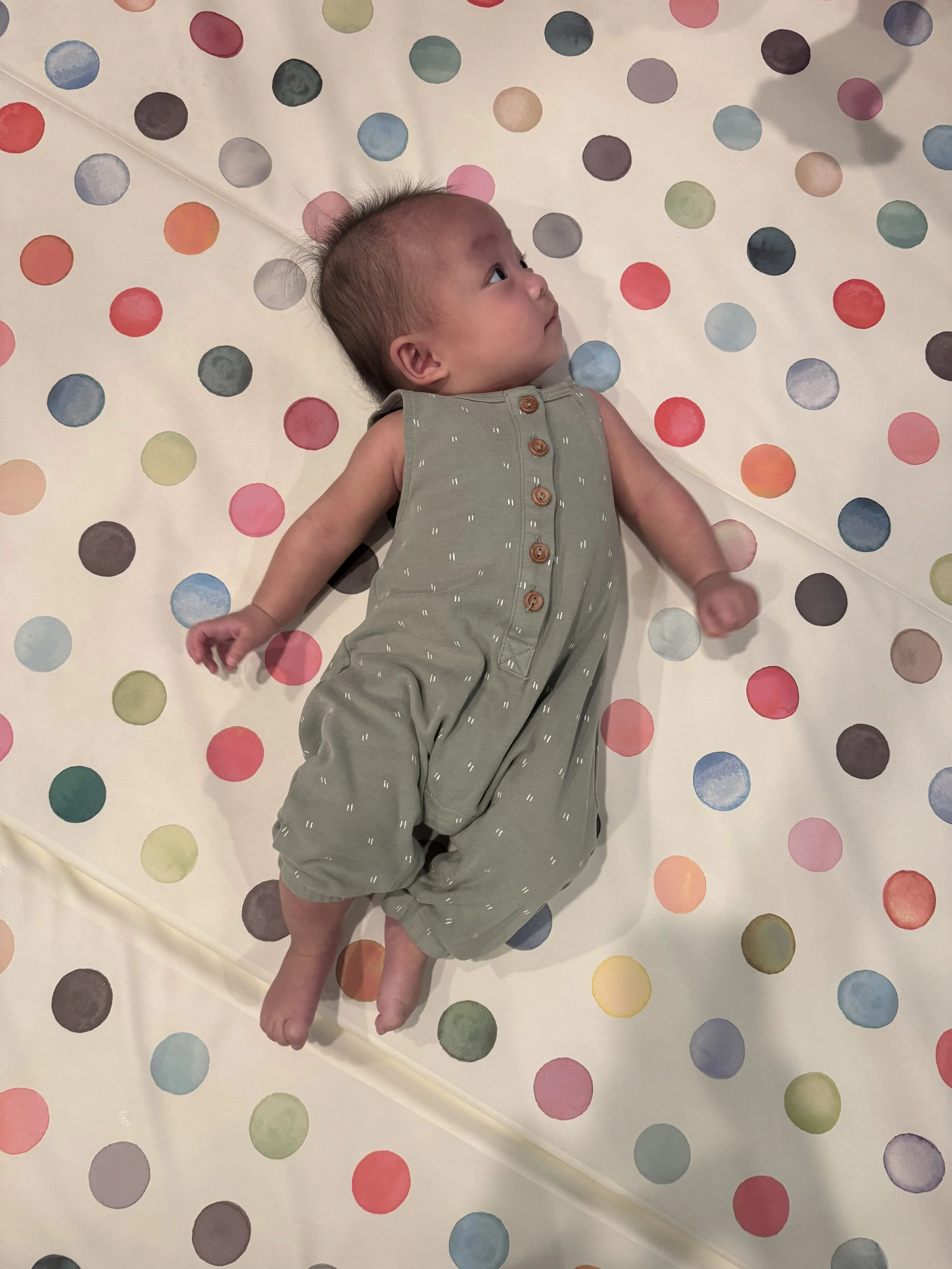
If you've noticed your baby favoring one side, tilting their head, or developing a flat spot, you're not alone. Two of the most common concerns we hear from Austin parents are torticollis and plagiocephaly. The good news? Both are highly treatable, especially with early intervention.
What is Torticollis?
Torticollis, often called "wry neck," is a condition where the muscles on one side of the neck are tight or shortened, causing your baby's head to tilt toward one side and their chin to point toward the other. It can be present at birth (congenital) or develop over time (acquired).
Signs of torticollis include:
- Head tilting to one side
- Chin pointing toward the opposite shoulder
- Difficulty turning the head in one direction
- Flat spot developing on one side of the head
- Preference for looking over one shoulder
- Feeding difficulties or discomfort during feeding
What Causes Torticollis?
Congenital torticollis may result from:
- Positioning in the womb
- Birth trauma or difficult delivery
- Muscle shortening or tightness
Acquired torticollis can develop from:
- Prolonged positioning (always looking one direction)
- Sleeping position preferences
- Muscle tension or tightness
- Positional habits
What is Plagiocephaly (Flat Head)?
Plagiocephaly is the flattening of one area of your baby's skull, usually on the back or side of the head. It's become more common since the "Back to Sleep" campaign recommended babies sleep on their backs to reduce SIDS risk—a trade-off that's absolutely worth it, but one that requires attention to positioning.
Signs of plagiocephaly include:
- Flat spot on the back or side of the head
- Asymmetrical head shape
- Ears appearing uneven
- Facial asymmetry
The Connection Between Torticollis and Plagiocephaly
These two conditions often go hand-in-hand. When a baby has torticollis, they tend to favor one position, which puts pressure on one area of the skull. Over time, this can lead to plagiocephaly. Similarly, babies with plagiocephaly may develop torticollis as they try to compensate for the asymmetry.
Why Early Intervention Matters
The earlier you address torticollis and plagiocephaly, the better the outcomes. Babies' skulls are incredibly malleable in the first months of life, which means:
- Physical therapy is highly effective. Gentle stretching, positioning strategies, and targeted exercises can resolve torticollis in most cases.
- Plagiocephaly often improves with positioning changes. Varying your baby's head position throughout the day and during sleep can prevent and reduce flat spots.
- Prevention is easier than correction. Addressing these issues early prevents them from becoming more severe.
What We Recommend
Get a professional evaluation. If you suspect torticollis or plagiocephaly, don't wait. A pediatric physical or occupational therapist can assess your baby and create a personalized treatment plan.
Vary positioning throughout the day. Alternate tummy time, side-lying, and supported positions. Avoid prolonged time in car seats, bouncers, or swings.
Practice gentle stretching. A therapist can teach you specific stretches to do at home.
Monitor progress. Most babies show improvement within 2-4 weeks of consistent therapy and positioning changes.
Free Screening at Year One Wellness
Worried about your baby's head shape or neck positioning? Year One Wellness offers free developmental screenings for Austin families. Our pediatric physical and occupational therapists will assess your baby and provide personalized recommendations.
Early intervention makes all the difference. Book your free screening today and give your baby the best start!